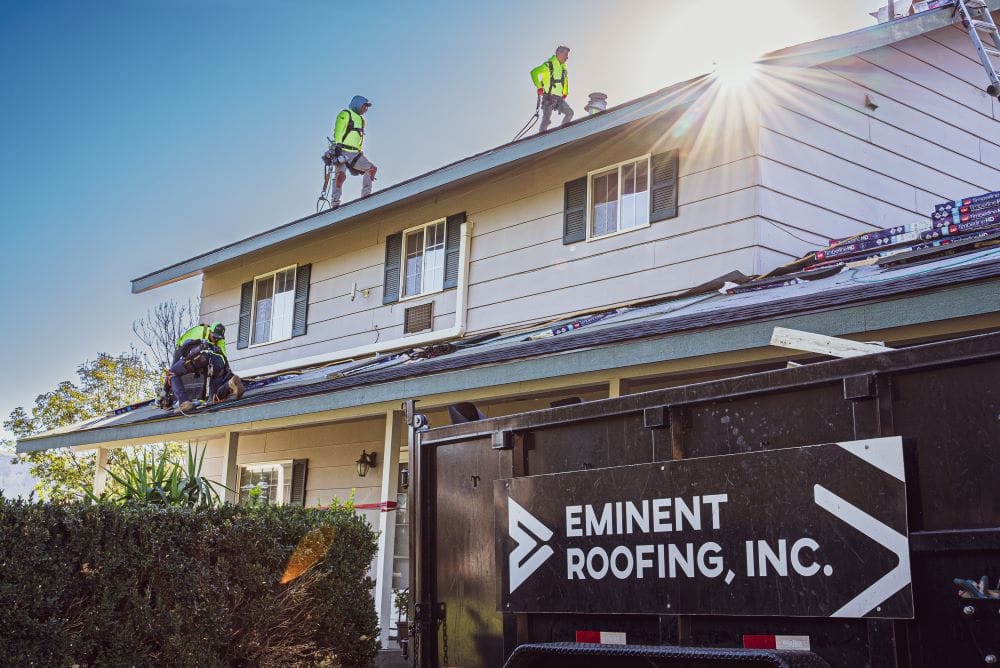
Understanding Granule Loss on Roofing Shingles in Richland, Kennewick, Pasco, WA homes

Eminent Roofing
Eminent Roofing provides expert roofing and siding services across Eastern Washington, providing top-quality solutions for homes and businesses.

Follow Us for the Latest Updates
Connect with us on social media for updates, projects, and all things Eminent Roofing.
Roofing granules are the small, sand-like particles embedded in the surface of asphalt shingles. Most asphalt shingles are made from several layers: The granules are usually made from crushed stone, ceramic-coated minerals, or other specially manufactured materials designed to withstand years of exposure to the elements. These granules are what give shingles their: Without granules, shingles would rapidly deteriorate under sunlight and weather exposure. Granules are not just cosmetic. They are one of the most important protective components of an asphalt roof system. The sun’s ultraviolet rays are extremely damaging to asphalt. Granules act like sunscreen for the roof by blocking UV radiation. Without granules: Granules help shield shingles from: They create a protective armor layer over the asphalt surface. Many roofing granules are manufactured with fire-resistant properties. Losing granules can reduce a roof’s fire resistance rating over time. Granules are essential to the lifespan of asphalt shingles. A roof with healthy granule coverage may last: A roof experiencing severe granule loss may fail much earlier because the asphalt underneath deteriorates rapidly once exposed. Some minor granule loss is normal, especially on a new roof. However, excessive granule loss indicates damage or aging. Common causes include: Over time, shingles naturally wear down. As asphalt ages, granules loosen and begin washing away. Constant sun exposure weakens the bond between granules and asphalt. Hail impacts can knock granules off shingles immediately, leaving exposed asphalt spots. High winds can lift shingles and create friction that loosens granules. Walking on shingles improperly can scrape granules away. Excess attic heat can “cook” shingles from underneath, accelerating deterioration. Some shingles fail prematurely due to defective adhesive bonding between granules and asphalt. Homeowners should watch for: When shingles begin looking shiny or smooth instead of textured, granule loss is usually advanced. This is one of the most misunderstood topics in roofing. Roof coatings can be beneficial for: Coatings work best on roofs that are: Once significant granule loss has occurred, coatings are not a true repair. Why? Because the shingles underneath are already deteriorating. When granules are gone: Applying a coating over damaged shingles is similar to painting over rotted wood: Roof coatings need a stable surface to bond properly. Severe granule loss creates: As the shingles continue deteriorating underneath: In many cases, coatings applied to failing shingles become a temporary cosmetic solution rather than a lasting repair. When granule loss becomes advanced, the correct solution is usually roof replacement. Once shingles lose enough granules: At this stage, repairs become temporary. Replacing the roof: Localized repairs may be possible if: However, widespread granule loss across the roof usually indicates systemic aging. Granule loss is not just about appearance. It directly impacts the roof’s ability to protect the home. Ignoring granule loss can lead to: Exposed asphalt cracks more easily, allowing water penetration. Moisture entering the attic or walls can create: Damaged shingles absorb more heat, increasing cooling costs and attic temperatures. Granule loss dramatically speeds up roof deterioration. Advanced roof wear may: Granules are one of the most important protective components of an asphalt roofing system. They shield shingles from UV rays, heat, weather, and physical wear. When shingles begin losing granules excessively, the roofing system starts becoming vulnerable to rapid deterioration and water intrusion. While roof coatings can help preserve roofs that are still structurally sound, they are not a true fix for roofs already suffering from significant granule loss. Once shingles lose their protective granule layer, the roofing system begins deteriorating rapidly. In many cases, full roof replacement becomes the safest and most effective long-term solution. Understanding granule loss early can help homeowners: A roof is one of the most important systems protecting a home, and recognizing the warning signs of granule loss before leaks begin can save thousands of dollars in future repairs.Understanding Granule Loss on Roofing Shingles in Richland, Kennewick, Pasco, WA homes
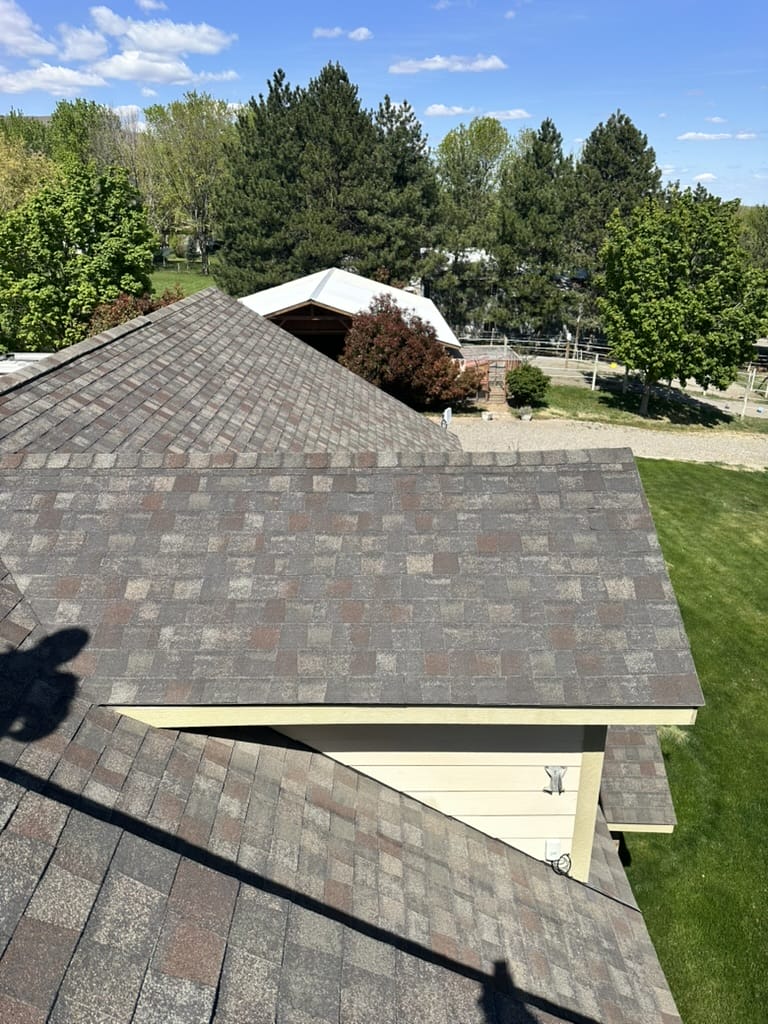
What Are Roofing Granules?
Why Roofing Granules Are Important
1. UV Protection
2. Weather Protection
3. Fire Resistance
4. Roof Longevity
What Causes Granule Loss?
Age
UV Exposure
Hail Damage
Wind Damage
Foot Traffic
Poor Ventilation
Manufacturing Defects
Signs of Granule Loss
Can Roof Coatings Fix Granule Loss?
Roof Coatings CAN Help Certain Roofs
Roof Coatings DO NOT Replace Missing Granules
Why Coatings Often Fail on Granule-Loss Roofs
The Proper Fix for Severe Granule Loss
Why Replacement Is Necessary
When Repairs May Still Work
Why This Is So Important
Water Leaks
Mold and Rot
Higher Energy Costs
Shortened Roof Life
Insurance Concerns
Final Thoughts